How to Send Offers on MLS Listings Without an Agent
The exact process for submitting written offers directly to listing agents, no buyer's agent required.
You do not need a buyer's agent to make an offer on an MLS listing. You can send a written offer straight to the listing agent yourself. Investors and wholesalers do it every day. Here is exactly how, and why going direct often works in your favor.
You can go direct, and it can help the seller
When you come without a buyer's agent, how the commission gets handled is not fixed. It is negotiable, and that is good for you, because it creates options instead of one set outcome.
The strongest angle here is not the agent. It is the seller. In most deals the seller pays both agents' commissions out of the sale. When there is no buyer's agent, the seller may only owe the listing side. That gap is real money, and you can use it. At the same price, your offer can net the seller more. Or you can offer a little less and still net them the same. A lower offer that nets clean can beat a higher offer loaded with costs, and a good listing agent will point that out to their seller.
How the commission actually gets structured is up for negotiation. A few of the common ways, presented as options and not promises:
- The listing agent may double-side the deal where local rules allow it, acting as a dual agent or transaction broker. This varies by state and by brokerage.
- You can offer to let the listing agent represent you.
- You can negotiate the commission terms directly in your written offer.
None of these is guaranteed, and the right one depends on the deal and the local rules. The point is that going direct opens room to negotiate, and that room can make your offer more attractive to the seller.
Rules vary by state and by brokerage on how dual agency and transaction brokerage work, so know your local rules. But sending a written offer directly to a listing agent is normal and allowed in most places. You do not need a license to make an offer on a property you want to buy.
What you need before you send anything
Keep it simple. A complete offer has three parts:
- A state approved contract, the standard purchase agreement in your state, filled out and signed by you.
- Your terms written in: price, closing timeline, inspection period, and earnest money.
- Proof of funds, or proof of financing that matches your offer.
That is the whole list. If you have those three things, you can make an offer on any active listing today.
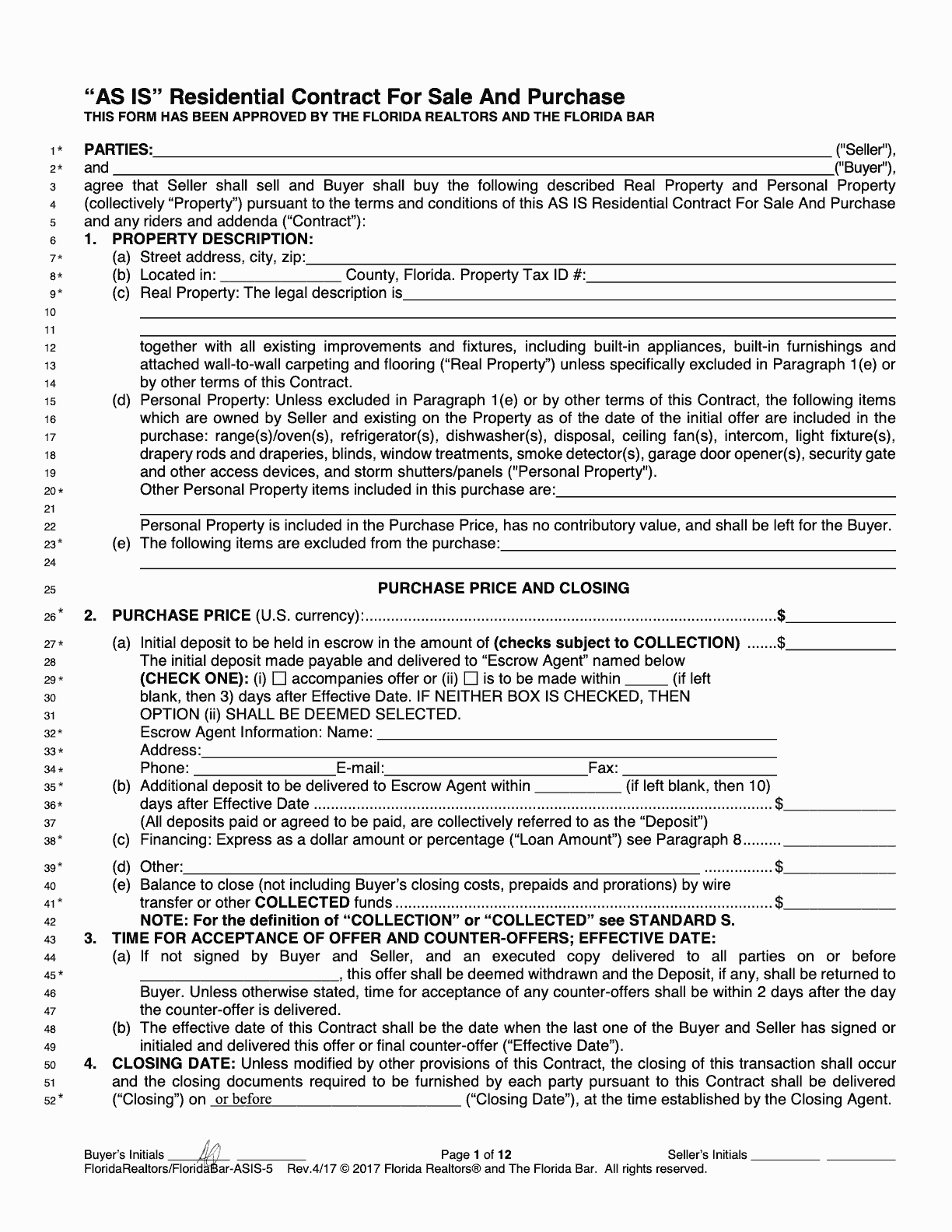
This matters because listing agents are generally expected to present written offers to their sellers. An informal number is not a written offer. I wrote a full breakdown of why written offers get presented and informal ones get ignored if you want the detail.
The step by step
- Find the listing and the listing agent. The agent's name and contact are on the public listing on Zillow, Realtor.com, or wherever the MLS syndicates.
- Pull the property details. Owner of record, parcel number, and legal description are usually in county records.
- Fill the state approved contract. Add your buyer name or entity, price, terms, and the property and seller details.
- Sign it.
- Attach your proof of funds.
- Email it to the listing agent as a real offer, with a short, professional note.
- Ask for confirmation that it was received and will be presented to the seller.
None of these steps require an agent. They require a contract and a few minutes.
Why "would they take 150?" never works
Here is the mistake almost everyone makes. They text or email the listing agent a number. "Would your seller take 150k cash?"
That is a question, not an offer. There is nothing to sign and nothing to present. The agent cannot walk a text in to the seller and call it an offer. So they ignore it, or they reply "send it in writing." Either way you have not made an offer. You have just told the agent you are not serious yet.
A written offer on a state approved contract removes that friction. The agent can present it in seconds. You have made their job easy, and easy offers get presented.
What to put in the offer email
The email is not the offer. The signed contract is the offer. Keep the note short and let the attachment carry the weight.
- A clear subject line with the property address and the word "offer" in it.
- One or two sentences: who you are, that a signed offer is attached, and your price and closing timeline.
- The attachments: the state approved contract and your proof of funds.
- One ask: please confirm you received it and that it will be presented to the seller.
That is the whole email. No life story, no hard sell, no pressure. A professional buyer sends a clean offer and a short note, and agents open those because there is nothing to untangle. If you would not open it, do not send it.
Follow up like a professional
Sending the offer is half the job. Follow up is the other half.
- Confirm receipt within a day. A short "just confirming you got the offer and will present it" is enough.
- If you do not hear back in a few days, follow up again, politely.
- Watch the listing. If the price drops, that is your signal to send a fresh offer or nudge the one you sent.
- Stay respectful. You want to be the buyer the agent remembers as easy to work with, not the one who blows up their phone.
The difference between buyers who get deals and buyers who get ignored usually comes down to the two columns below.
| Do | Do not |
|---|---|
| Send a signed state approved contract | Text a number and wait |
| Attach proof of funds | Ask "would they take X" |
| Confirm it will be presented | Assume silence means no |
| Follow up after price cuts | Give up after one try |
Doing this at volume
One offer is easy to do by hand. Twenty is not. If you are working stale listings and sending offers all day, the filling and sending is where the time goes, and that is the part worth speeding up.
I built SendMLS to fill the state approved contract from an address and send it from your own Gmail, so a complete offer takes about a minute instead of twenty. The tool is not the point. The point is that when each offer is fast, you send more of them, and more of them get presented.
If your plan is volume on aged inventory, going direct pairs well with the 180+ days on market approach. And if you are comparing tools for this, here is what MLS offer software actually does.
The takeaway
You do not need an agent to make an offer. You need a state approved contract, your terms, proof of funds, and the discipline to follow up. Send real written offers, make the agent's job easy, and go direct. Going direct also gives you room to structure the commission in a way that can net the seller more, which can make your offer stand out.